Grass-fed has become the label people look for. It shows up on grocery packaging, restaurant menus and delivery boxes, and demand for it has climbed every year for a decade. Most people buying it assume it means the animal ate grass its whole life. That is often not what the label is promising.
This is not an argument that "grass-fed" is a scam. It is a two-word phrase doing more work than it can carry. Once you know where the gap is, you can read any label in about five seconds and ask one question that sorts the whole category out.
Fed is not finished
Nearly every beef animal in Canada eats grass for the first part of its life. The difference between one steak and another comes down to the last few months, which the industry calls finishing.
Grain finishing moves the animal onto a corn or barley ration to put on weight quickly before processing. It is faster and cheaper, and it is how the vast majority of beef in a grocery aisle is produced.
Grass finishing keeps the animal on forage right to the end. It takes longer, the animals are leaner, and the farmer needs enough good pasture and stored forage to do it. The result tastes different, and it is what most people picture when they read "grass-fed."
Here is the gap: a "grass-fed" claim on its own tells you what the animal ate, not for how long. An animal that spent most of its life on pasture and its last 120 days on grain can still be sold with grass-fed language on the package. The phrase that closes the gap is grass-fed and finished. If a label does not say finished, assume it was not.
Read the label in five seconds
Tap a claim to see what it does and does not promise.
Why the finish is the part you can taste
Grass-finished beef is leaner, and the fat that is there tends to run a little more yellow from the forage. The flavour is cleaner and more distinctly beefy, which is why people who switch rarely go back to the grocery aisle. It also cooks a little faster, so the first steak you make from it deserves a minute less than you are used to.
On nutrition, the research is fairly consistent: grass-finished beef tends to carry higher levels of omega-3 fatty acids and conjugated linoleic acid than grain-finished beef. We would rather you read that from a dietitian than from a company that sells beef, so we keep the claim at that and let the sourcing speak for itself.

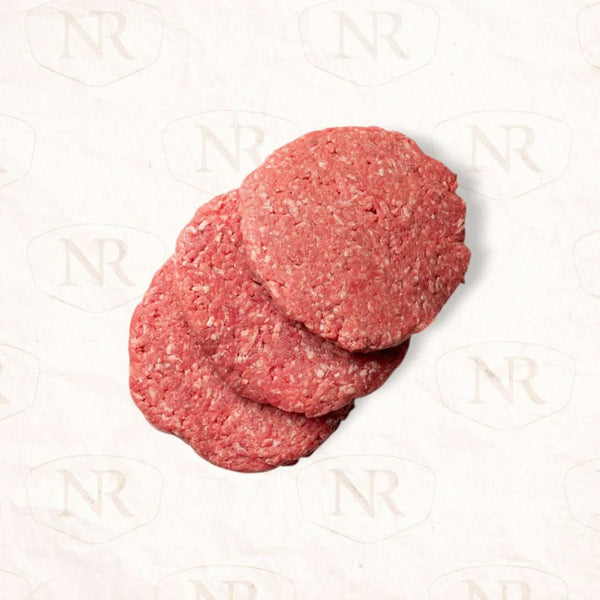
Grass Fed Ground Beef (Medium)
Want to taste the difference before you commit to a full order?
Join the list and we will send a 10% code for your first order, plus the winter feeding answer nobody prints on a label.
One email with your code. Unsubscribe any time.
That did not go through. Try again, or email support@northernraised.ca and we will send the code.
Your code is on its way. Check your inbox.
It snows in Ontario. So how is it grass finished?
This is the question we get asked more than any other, and it is the right one. Grass finished does not mean the animal is standing in a green field in February.
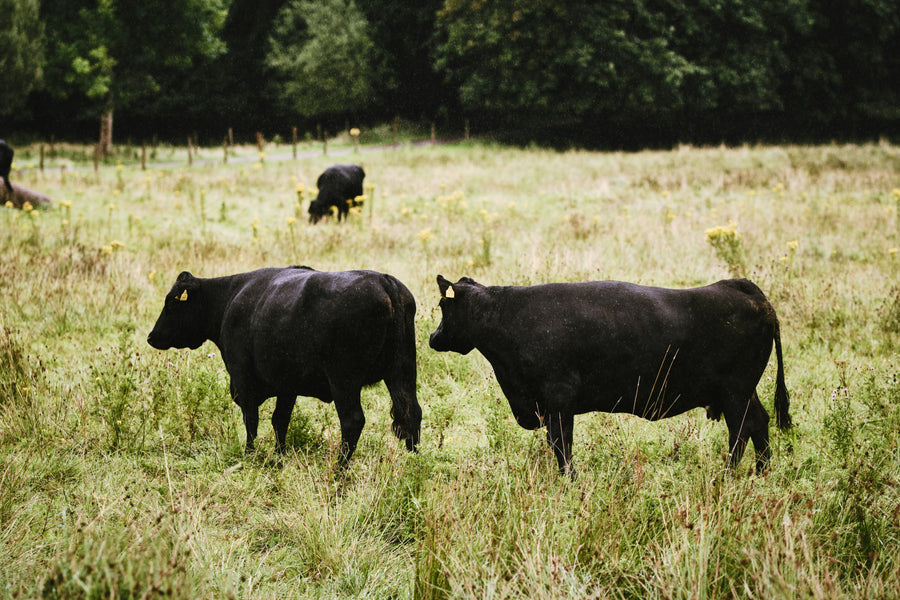
Cattle graze pasture in season. Through the winter they eat that same forage preserved as hay and silage, cut and stored from the farm's own fields in summer. The diet stays 100% forage, non-GMO and species specific, right through to the end. Grain is never introduced, in any season. That is the whole standard, and it is the difference between a label and a practice.
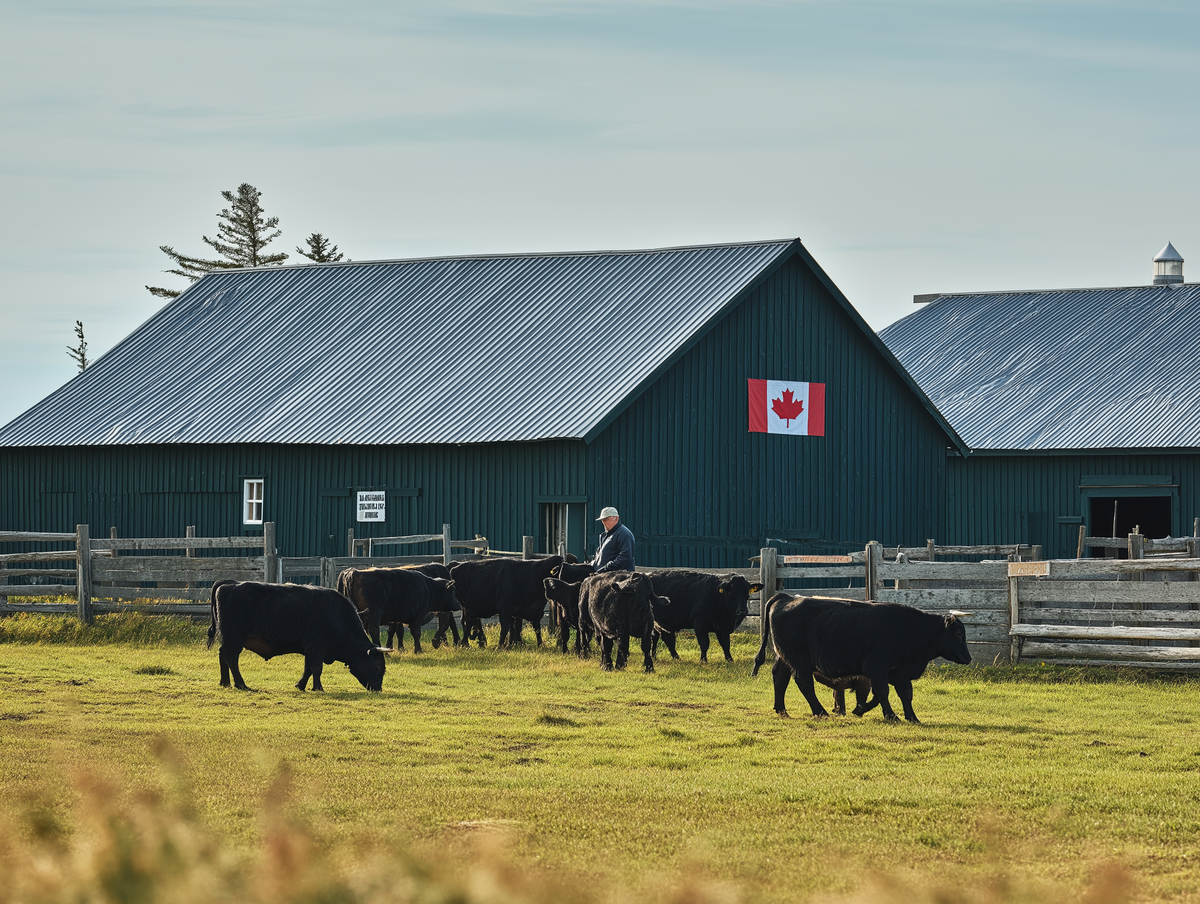
Martin's Family Farm
Family-run farm raising grass-finished cattle with care since 1991. Their name is on every beef product page we sell, so you can check for yourself.
Read their storyThree questions to ask before you buy beef anywhere
You do not need to buy from us to get this right. Ask these of any butcher, brand or box, and the honest ones will answer in a sentence.
Was it grass finished, or only grass-fed?
If the answer includes the word "finished" without hesitation, you are in good shape. If it turns into a story about pasture and open air, the finish was probably grain.
Which farm did it come from?
A name you can look up is the strongest claim in the category. "Local farms" or "a network of producers" is not a name. Every product page on our site shows the farm that raised it.
Any added hormones or antibiotics?
Look for "no added hormones" and "no antibiotics, ever" as separate statements. "Antibiotic free" on its own can mean a withdrawal period was observed before processing, not that none were used.
That is the whole guide. Read for the word finished, ask for the farm, and check hormones and antibiotics as their own line. If a label passes all three, buy with confidence, whoever is selling it.