Beef
Beef
 Bison
Bison
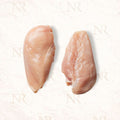
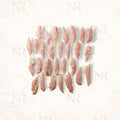
 Chicken
 Lamb
Lamb
 Pork
Pork
 Seafood
 Turkey
 Bundles


How to Choose Pasture Raised Chicken

You can usually spot the problem in seconds at the meat counter. One pack says “farm fresh”, another says “natural”, another says “free run”, and somewhere in smaller print you may or may not find the words pasture raised. If you are trying to work out how to choose pasture raised chicken, the hard part is not wanting better meat. It is knowing which claims actually mean something.
For most households, this comes down to three things: animal welfare, cleaner sourcing, and better consistency in the kitchen. Pasture raised chicken can support all three, but only if the label reflects real farming standards rather than clever packaging. A higher price does not automatically mean a higher standard, and a rustic-looking box tells you very little on its own.
What pasture raised chicken should mean
At its simplest, pasture raised chicken comes from birds that are given meaningful access to outdoor pasture, with space to move, forage, peck, and behave more naturally than birds raised in standard indoor systems. That is the principle most shoppers care about.
The complication is that food labels are not always as plain as they should be. Some terms are tightly controlled. Others are softer marketing language. “Pasture raised” suggests a higher welfare system with outdoor living and rotation onto grass, but the exact standard can vary by farm, certifier, and region.
That is why it helps to treat pasture raised as the start of the conversation, not the end of it. You are not just buying a phrase. You are buying the farming behind it.
How to choose pasture raised chicken without guessing
The most reliable way to choose well is to look at the full picture: the claim on the label, the farm’s standards, how transparent the seller is, and whether the product quality matches the promise.
Start with clear, specific wording
If a pack says “pasture raised chicken”, that is more useful than vague terms such as “wholesome”, “naturally raised” or “country style”. Those softer phrases may sound reassuring, but they do not tell you much about how the birds actually lived.
You should also look for supporting details. Does the seller explain what pasture access looks like? Do they mention rotational grazing, outdoor shelters, stocking density, or farm practices? The more specific the explanation, the easier it is to trust the claim.
If the wording stays broad and glossy, be cautious. Real standards are usually easy to describe.
Check whether the farm or retailer explains its sourcing
Good sourcing is usually transparent sourcing. If a retailer cannot tell you where the chicken came from, how it was raised, or what standards the farm follows, you are being asked to buy on faith alone.
For busy families ordering online, this matters even more. You cannot inspect the pack in person, so the seller should do the work of making the information clear. That includes where the chicken is sourced, whether antibiotics or added hormones are used, and how the product is handled after processing.
A trustworthy retailer should make those standards easy to find, not hide them in fine print.
Look beyond one welfare claim
Pasture raised is a strong signal, but it is not the only one worth checking. Depending on the farm, you may also see certified organic, no antibiotics, or other welfare and feed standards. These can add confidence, though they are not all interchangeable.
For example, organic and pasture raised are not the same thing. Organic speaks to feed and production rules. Pasture raised speaks more directly to outdoor living and behaviour. Some chicken may be one without being the other. In many households, the right choice depends on which standard matters most to you.
If your priority is outdoor access and natural behaviour, pasture raised should stay front and centre. If you also want feed standards and certification, you may need to look for both.
Labels that confuse more than they help
Part of learning how to choose pasture raised chicken is knowing which terms to treat carefully.
“Free range” can sound close to pasture raised, but it does not always mean the same thing. In some systems, birds may technically have outdoor access without spending much meaningful time on pasture. The quality of that access matters.
“Free run” generally means the birds are not kept in cages, but it does not mean they lived outdoors.
“Natural” is one of the least useful terms in the category. It often tells you more about branding than farming.
None of this means those products are automatically poor choices. It simply means the language is not enough on its own. If you want pasture raised chicken, wait for a product that actually says so and backs it up.
Quality you can see once it reaches your kitchen
A good label should lead to a noticeably better product. When pasture raised chicken is sourced well, many shoppers find the meat has firmer texture, better flavour, and less of the watery quality that can show up in conventional chicken.
That said, expectations should stay realistic. Not every chicken will taste dramatically different, and cooking method still matters. A poorly cooked premium chicken can still disappoint. But better-raised birds often bring more consistency, which is exactly what home cooks want on a busy weeknight.
You may also notice practical advantages when the product has been well handled. Flash-frozen, freezer-ready chicken can be a smart option because it locks in freshness and makes meal planning easier. For households that stock up, that reliability matters almost as much as the farming standard itself.
Price matters, but value matters more
Pasture raised chicken usually costs more than conventional supermarket chicken. That is not surprising. Raising birds with more space, outdoor access, and stronger welfare practices tends to require more labour, land, and care.
The better question is whether the price reflects real value. If you are paying more, you should be getting more: clearer sourcing, better welfare standards, cleaner production, and dependable eating quality.
This is where many families make a practical compromise. They may not buy pasture raised chicken for every single meal, but they choose it for the cuts they use most often, such as breasts, thighs, or whole chickens. That approach keeps standards high where it matters most without pushing the food budget too far.
Buying online? Here is what to check first
Ordering meat online can actually make it easier to choose well, provided the retailer is transparent. You have time to read, compare, and avoid rushed decisions in front of a chilled shelf.
When shopping online, check whether the seller explains farm standards in plain language, offers freezer-ready packaging, and avoids subscription pressure if you prefer to order as needed. Consistency matters too. If you are filling a family freezer, you want the next order to be as reliable as the first.
For Ontario households, that is part of the appeal of a curated meat supplier. Instead of sorting through mixed label claims from multiple brands, you can buy from a source that has already vetted the farms and standards. Northern Raised is built around that idea - meat that is easy to order and easy to trust.
How to choose pasture raised chicken for your household
There is no single perfect checklist for every shopper. The right choice depends on what you value most.
If welfare is your top priority, focus on meaningful outdoor access and clear pasture-based language. If clean eating leads your decision, look for chicken that is free from antibiotics and supported by transparent farm practices. If convenience matters just as much as standards, pay attention to how the chicken is packed, frozen, and delivered.
What you want is alignment. The label, the sourcing, the product quality, and the buying experience should all point in the same direction. When they do, you spend less time second-guessing and more time cooking food you feel good about serving.
A useful rule is this: if you have to work too hard to understand how the chicken was raised, it is probably not the clearest option on the market. The best producers and retailers make the decision easier, not more complicated.
Good chicken does not need grand claims. It needs honest standards, visible proof, and the kind of consistency that earns a place in your regular shop. Choose that, and the label starts to mean something worth paying for.