Beef
Beef
 Bison
Bison
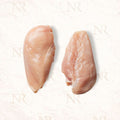
 Chicken
 Lamb
Lamb
 Pork
Pork
 Seafood
 Turkey
 Bundles


Is Farm to Home Meat Delivery Worth It?

Is farm to home meat delivery right for your household?
If you've ever stood at the supermarket meat case trying to work out what "natural", "free-run" or "product of Canada" actually means, you already understand the appeal of farm to home meat delivery. It removes a lot of the guesswork. Instead of hoping the label tells the full story, you're buying from a source built around clearer standards, better handling and more dependable quality.
For many Ontario households, that matters just as much as convenience. Families want meat they can feel good about serving, but they also need it to be easy to buy, easy to store and easy to cook on a weeknight. That is where this model can make a real difference.
What farm to home meat delivery actually means
At its best, farm to home meat delivery is exactly what it sounds like - meat sourced from trusted farms, packed properly, frozen for freshness and delivered directly to your door. The focus is not just on getting meat to you. It is on giving you a more transparent way to shop for beef, chicken, pork, lamb, turkey, bison, fish and seafood without relying on whatever happens to be in stock at the local shop.
That does not mean every service works in the same way. Some businesses operate as subscription boxes with fixed schedules and preset selections. Others let you order when you need to, choose your cuts and build your freezer around the way your household actually eats. For many families, that flexibility is the better fit.
The difference comes down to control. If you meal plan, batch cook or like to keep staples such as mince, chicken breasts, sausages and burgers in the freezer, ordering on demand often makes more sense than being locked into recurring deliveries.
Why more families are moving away from supermarket meat
The supermarket still works for convenience in the moment, but it often falls short on consistency. One week the steaks look good, the next week they do not. One packet of chicken cooks well, the next releases excess water. Labels can be vague, and if you're trying to buy grass-fed, pasture-raised or organic options, you may end up visiting multiple shops just to cover a few meals.
That is frustrating for anyone trying to feed a family well without overcomplicating the weekly shop. People are not just looking for premium meat for special occasions. They want everyday proteins they can trust.
Farm to home meat delivery appeals because it solves several problems at once. It offers clearer sourcing, more reliable standards and the practical benefit of stocking up in one order. When the meat arrives flash-frozen and freezer-ready, it is easier to plan ahead instead of making last-minute choices from a limited shelf.
Quality is the real reason people switch
Convenience gets attention, but quality is usually what keeps people ordering.
Responsibly raised meat tends to stand out where it matters most - flavour, texture and confidence in what you are serving. Grass-fed and grass-finished beef has a different eating experience from conventional beef. Pasture-raised chicken and pork can offer the kind of consistency shoppers struggle to find in mass retail. Certified organic options matter to households trying to reduce exposure to unnecessary additives in their food choices.
There is also the issue of what is not included. For many customers, meat raised without hormones and antibiotics is not a nice extra. It is part of the standard they are trying to set at home. That does not automatically mean every cut will suit every recipe better, because cooking method still matters, but it does mean the baseline quality is easier to trust.
The value question - and why it depends
Yes, farm to home meat delivery can cost more than supermarket specials. That is the honest answer. Better sourcing, higher animal welfare standards and more careful processing are not usually the cheapest route.
But price alone is not the whole value story. If you are comparing premium, responsibly raised meat with discounted conventional packs, the gap may look wide. If you are comparing it with buying similar-quality cuts from speciality butchers or trying to piece together grass-fed and organic options across different shops, the picture changes.
Value also shows up in waste reduction. Buying freezer-ready portions means you are less likely to overbuy fresh meat and lose it at the back of the fridge. It can help with meal planning, reduce midweek takeaway spending and make it easier to keep quick, better-quality options on hand.
For some households, the extra spend is absolutely worth it. For others, the best approach is selective - using farm to home meat delivery for staple proteins and key cuts while being more flexible elsewhere. It does not have to be all or nothing.
How farm to home meat delivery fits real life
The strongest argument for this model is not that it feels premium. It is that it works.
Busy households need practical solutions. A freezer stocked with ground beef, chicken thighs, pork chops, burgers, sausages or fish fillets gives you options when the day does not go to plan. You can pull together tacos, pasta, stir-fry, soup or a roast without another stop at the shops.
That matters even more for parents and professionals trying to balance cost, health and time. Reliable meat delivery turns a routine household task into something more manageable. Instead of shopping reactively, you buy with a plan.
It also suits people who prefer to order in larger, less frequent shops. Rather than adding meat to every weekly run, you can build a proper freezer supply and top up when needed. That can be a better rhythm for households that like to stay organised.
What to look for before you order
Not every provider offers the same level of trust. If you are considering farm to home meat delivery, the details matter.
Start with sourcing. You should be able to understand where the meat comes from and what standards are behind it. Terms such as grass-fed, pasture-raised and organic should feel specific, not decorative.
Then look at range. A good service should make everyday shopping easier, not force you into novelty cuts you would not normally buy. Families usually need a strong mix of staples and occasion options - mince, steaks, roasts, chicken, pork, seafood and flexible bundle packs.
Fulfilment matters too. Flash-frozen, properly packed orders are often the most practical choice because they protect freshness and make home storage simple. If the goal is convenience, the product needs to arrive in a condition that suits real household use.
Finally, pay attention to flexibility. No-subscription ordering is often the best fit for shoppers who want control. You should be able to order when your freezer needs it, not when a billing cycle says so.
Why on-demand ordering makes sense
Subscription boxes can be useful for people who want a set-it-and-forget-it option, but they are not ideal for every household. Tastes change. Budgets shift. Some months you need more chicken and mince, other months you want steaks, seafood or a larger roasting joint.
On-demand ordering gives you more say in what lands at your door. That means less waste, fewer unwanted items and better value from each order. It is a simple point, but an important one. Convenience should not come at the cost of choice.
That is one reason many Ontario shoppers are turning to curated online shops such as Northern Raised. The model is straightforward - choose the proteins and bundles that suit your household, keep your freezer stocked, and order again when it works for you.
A better way to buy meat, if quality matters
Farm to home meat delivery is not for everyone. If your main priority is finding the cheapest possible pack for tonight's dinner, the supermarket will usually win. But if you care about how meat is raised, want more confidence in what you are feeding your household and prefer a more organised way to shop, it offers a clear advantage.
The strongest services combine trusted farm sourcing, honest standards, reliable freezing and practical flexibility. That is what turns the idea from a premium extra into something genuinely useful.
Feel good about the meat you eat, but make it easy on yourself too. The best food choices are the ones you can trust and keep up with week after week.